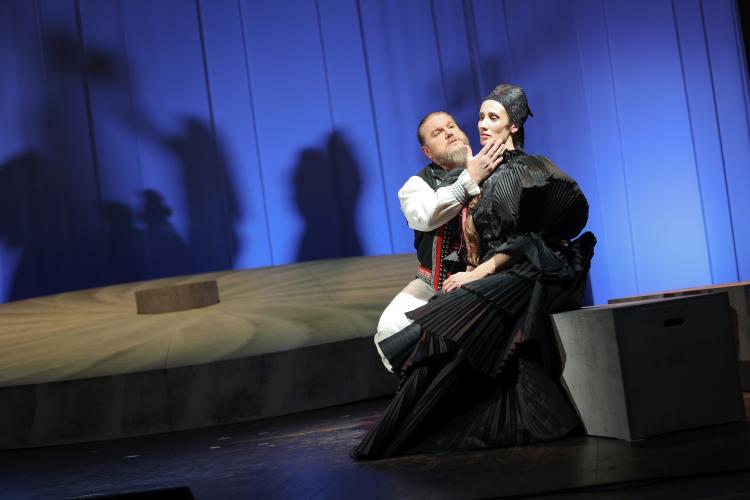
Giuseppe Verdi: LA TRAVIATA
The Return of One of the World’s Most Frequently Performed Operas
- Premiere
- Place of Performance
- Historická budova
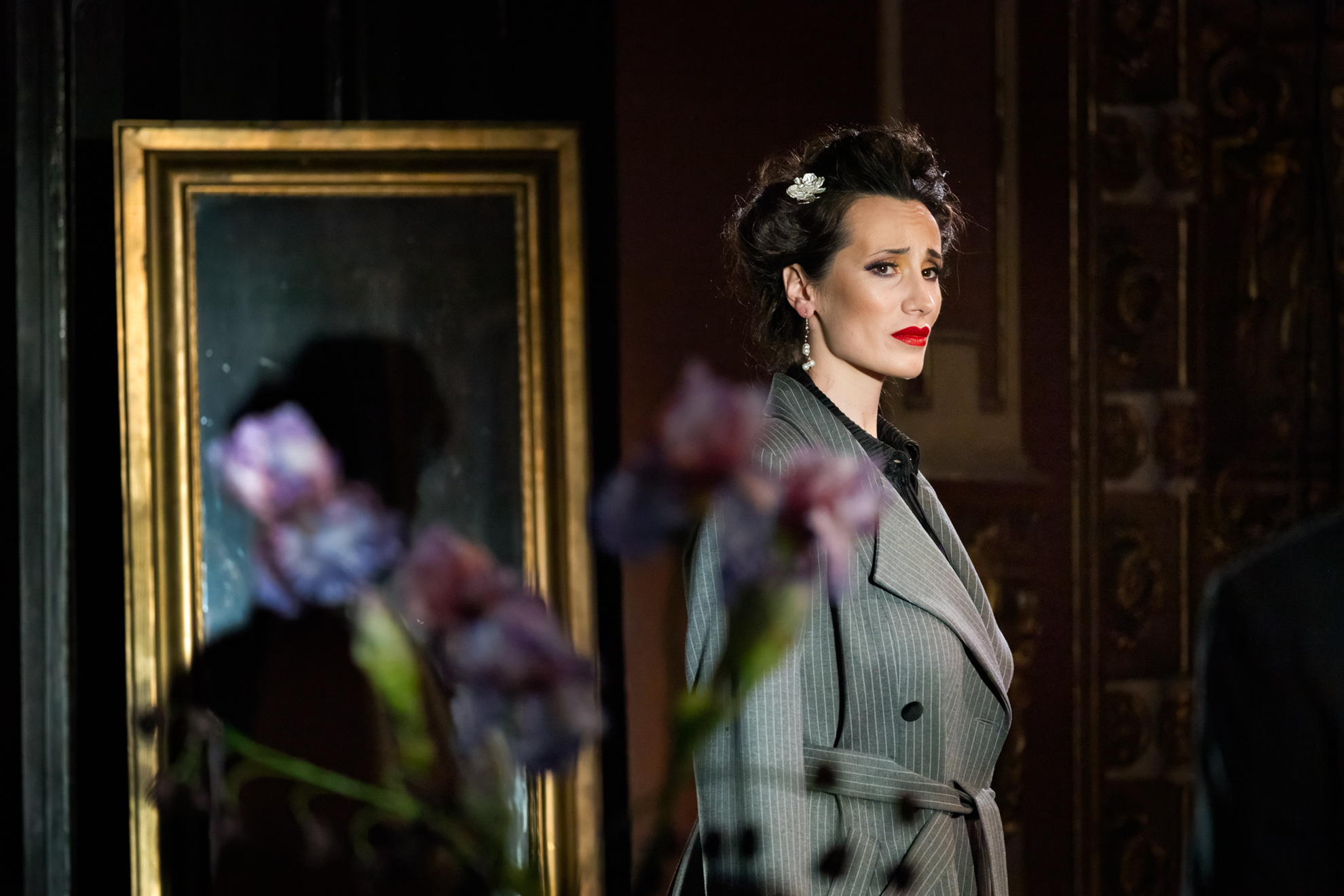
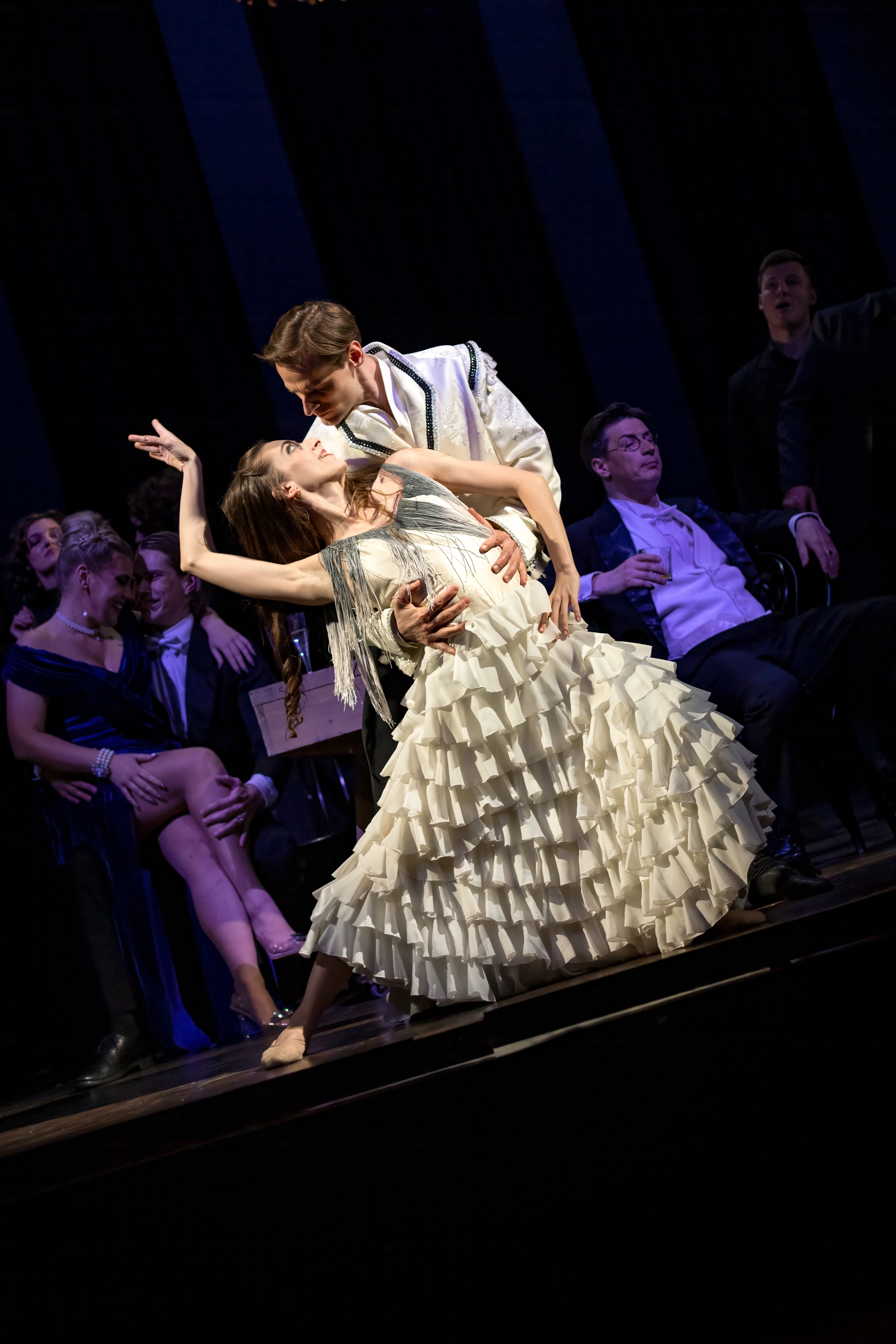
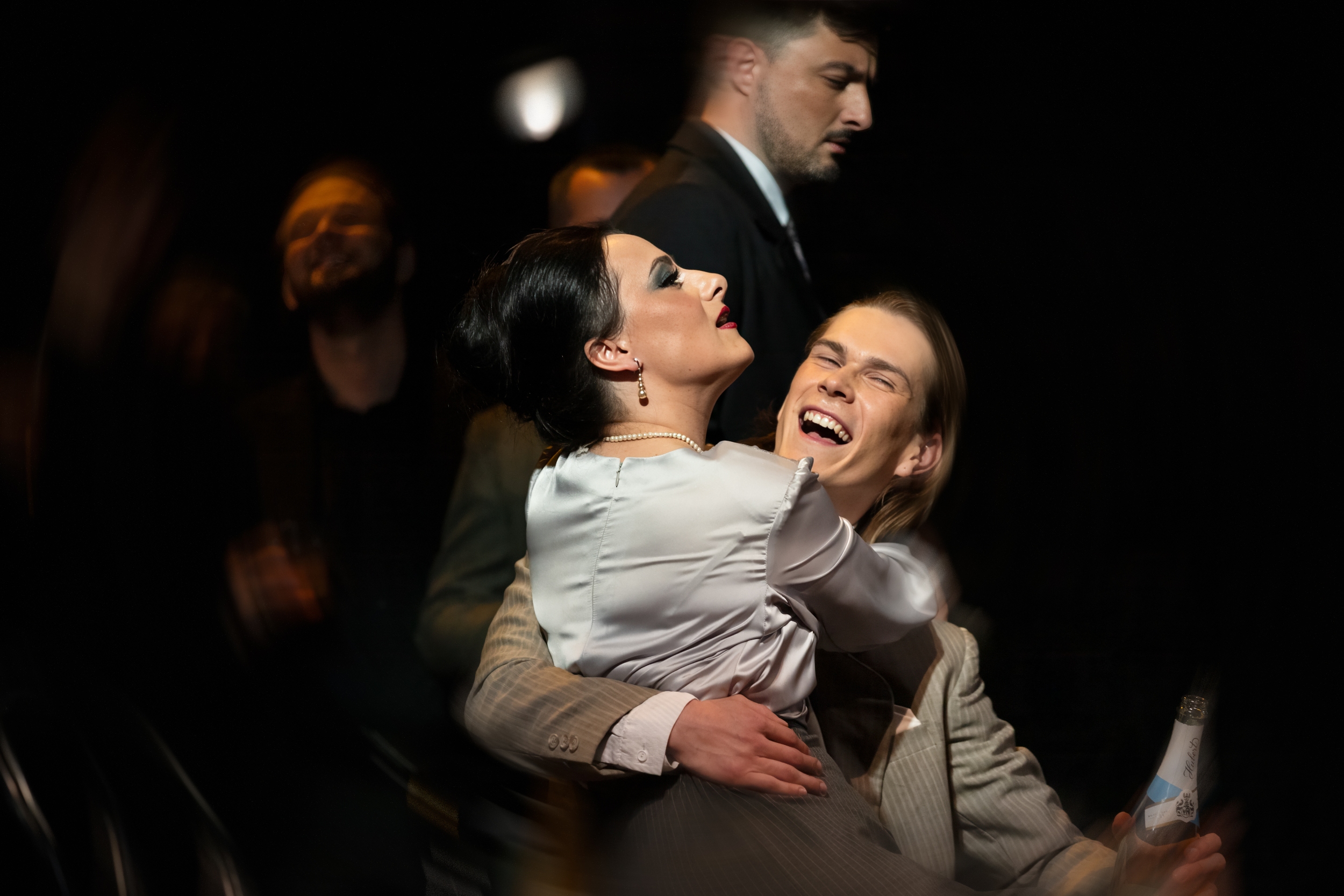
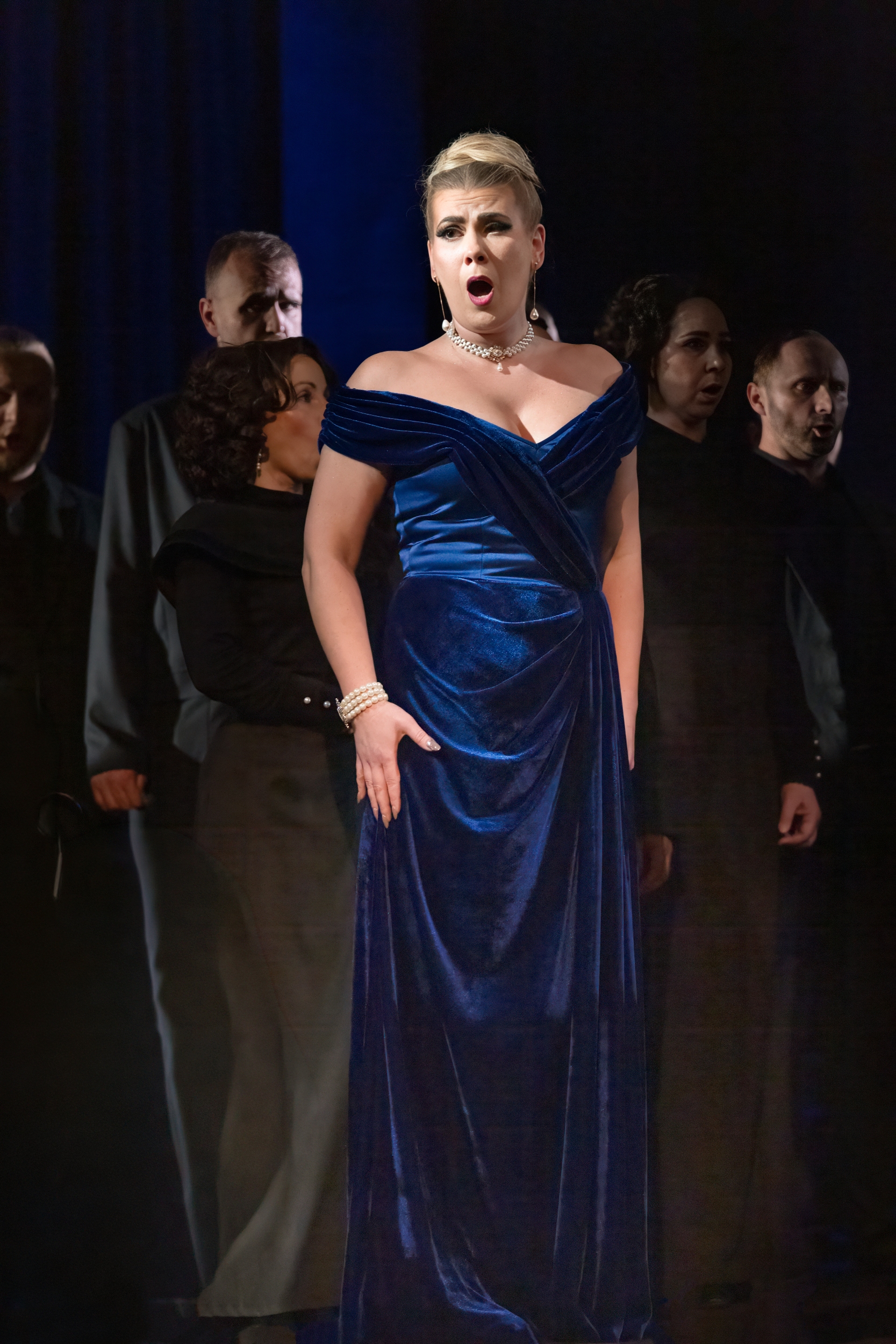
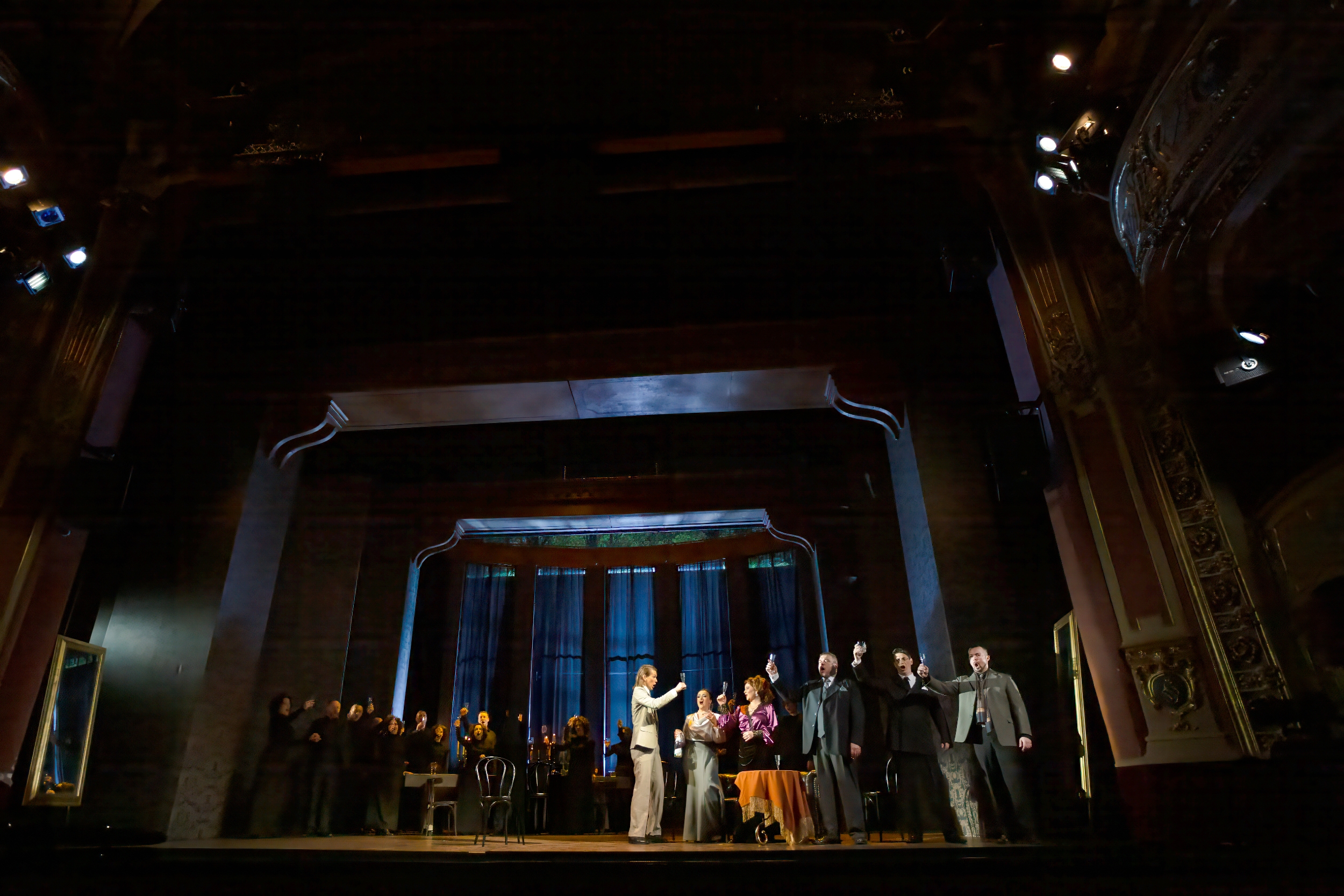
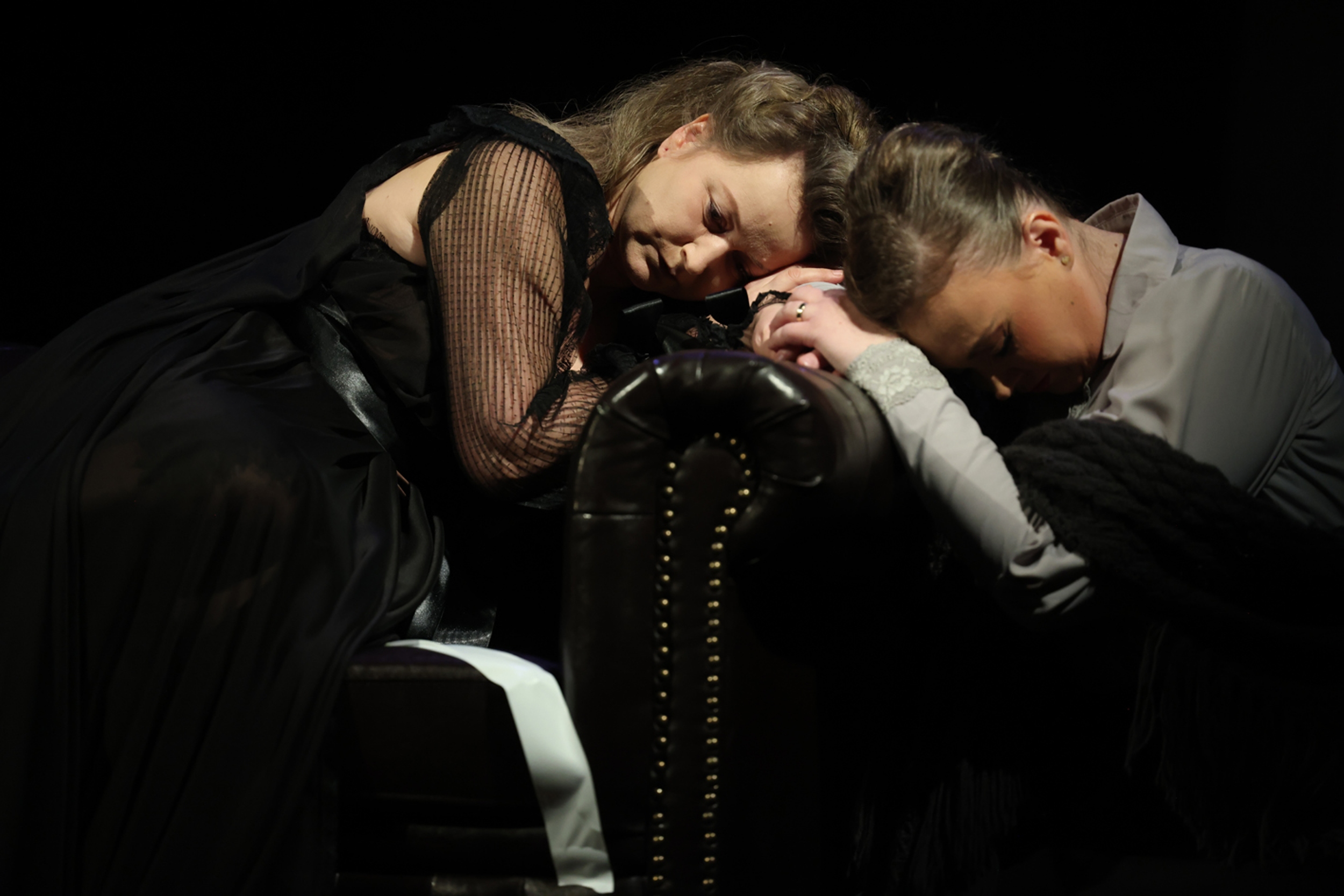
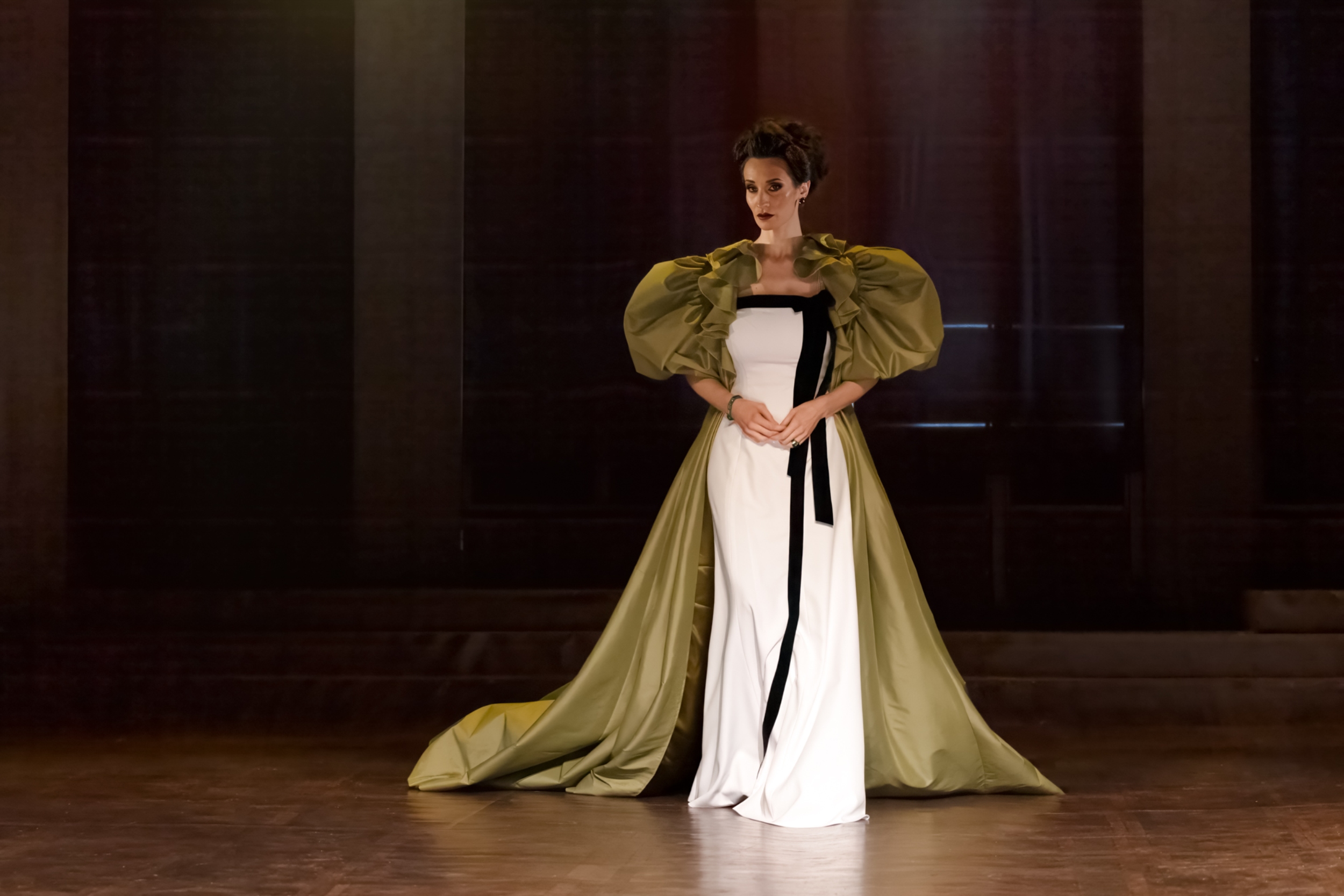
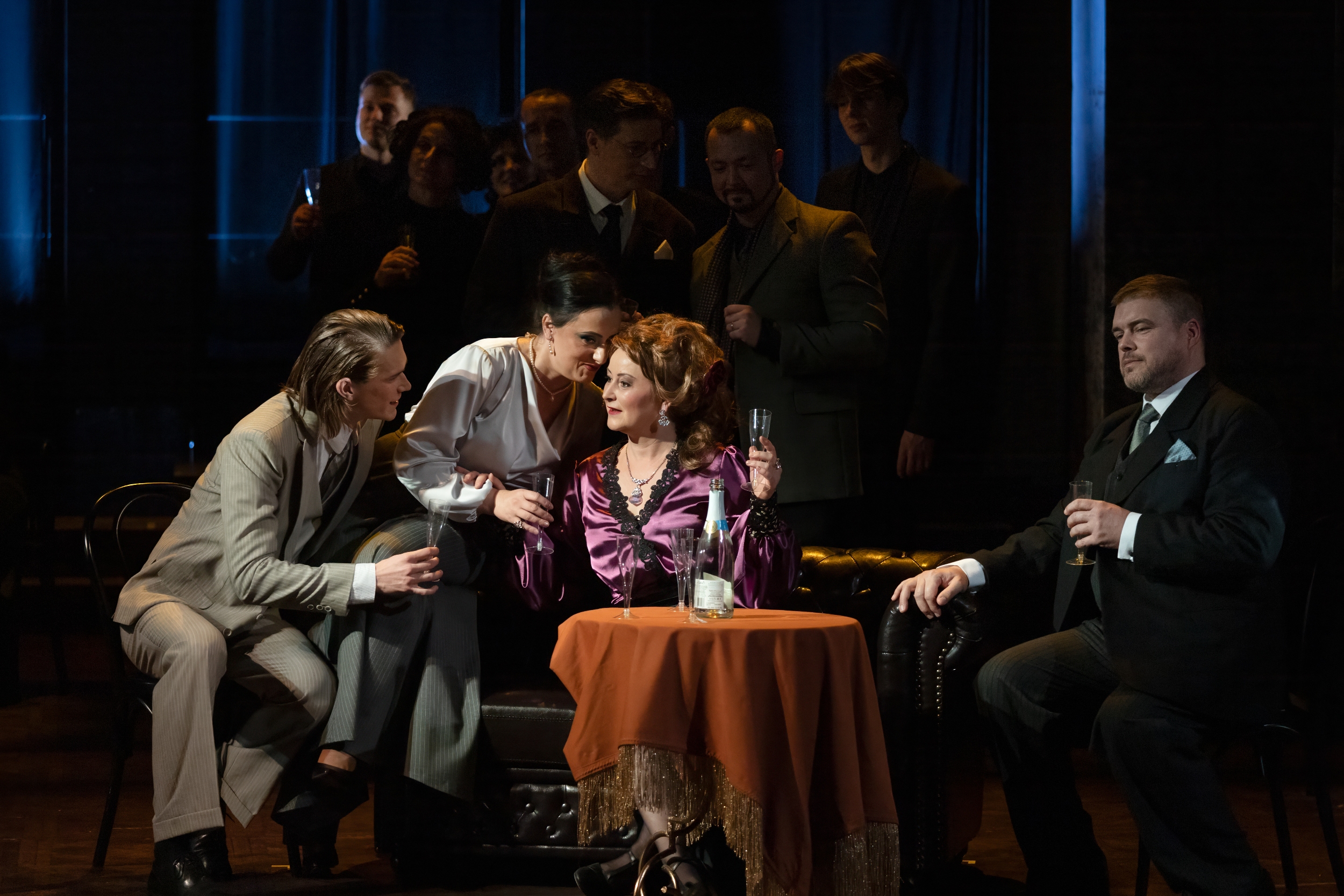
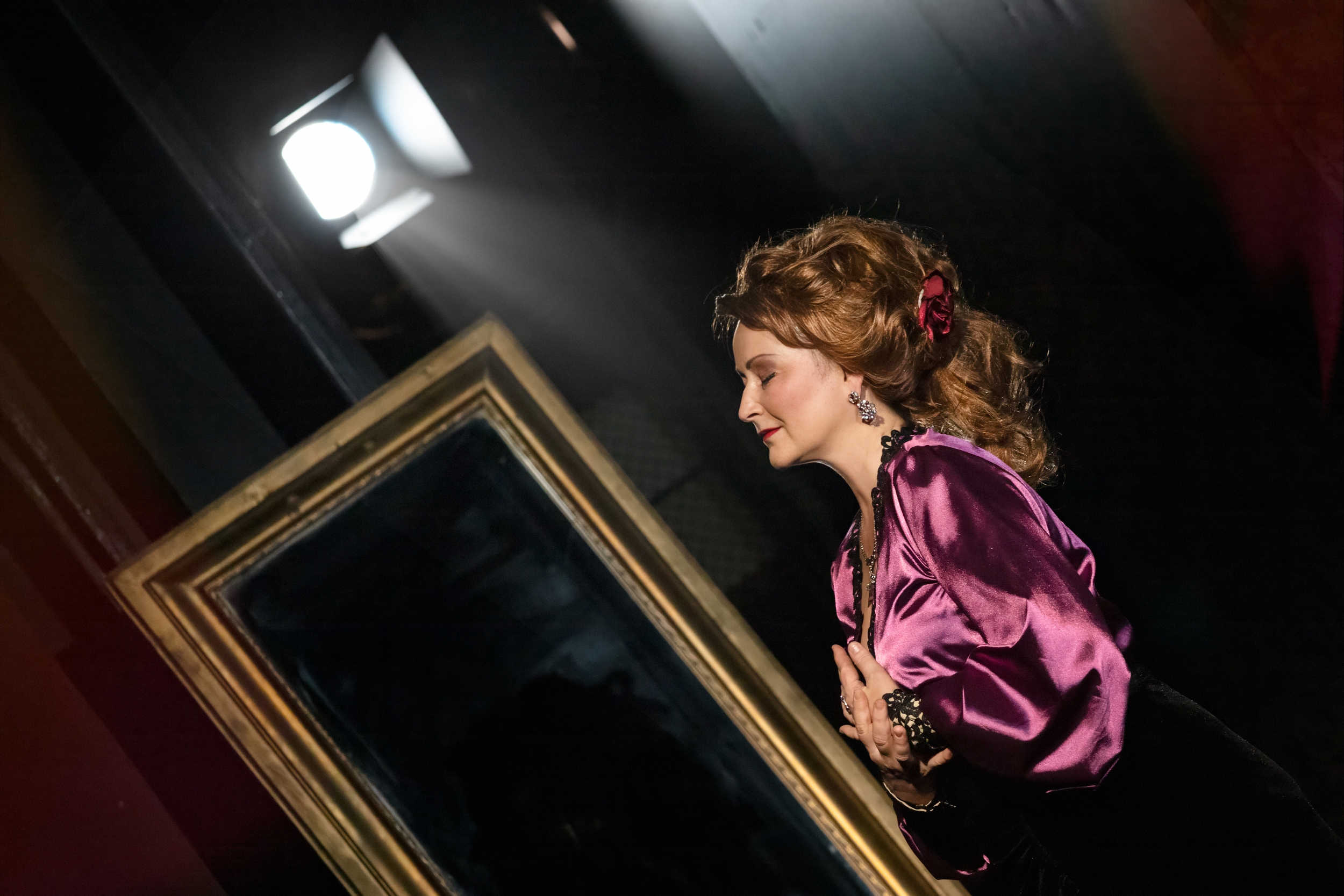
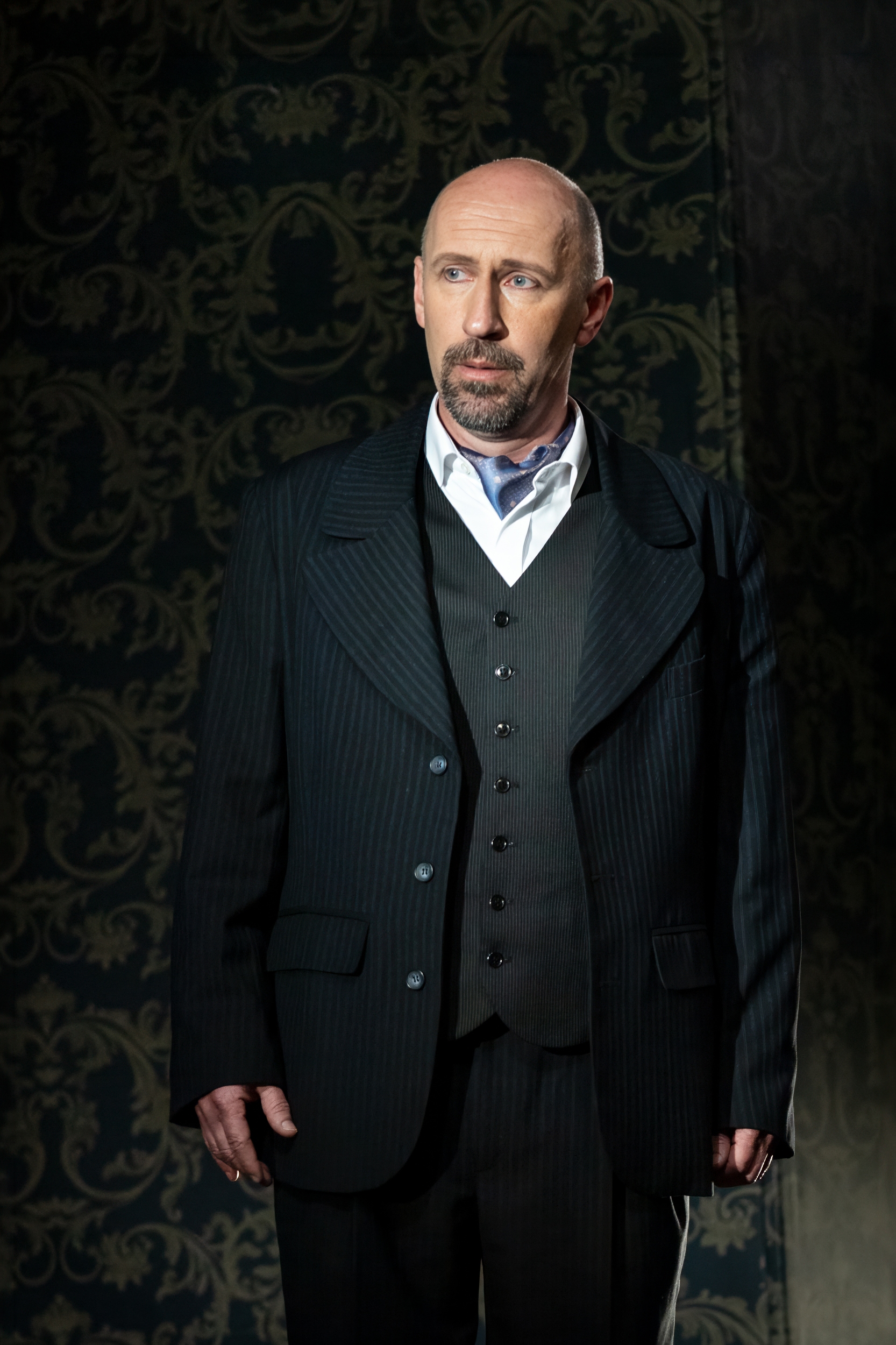
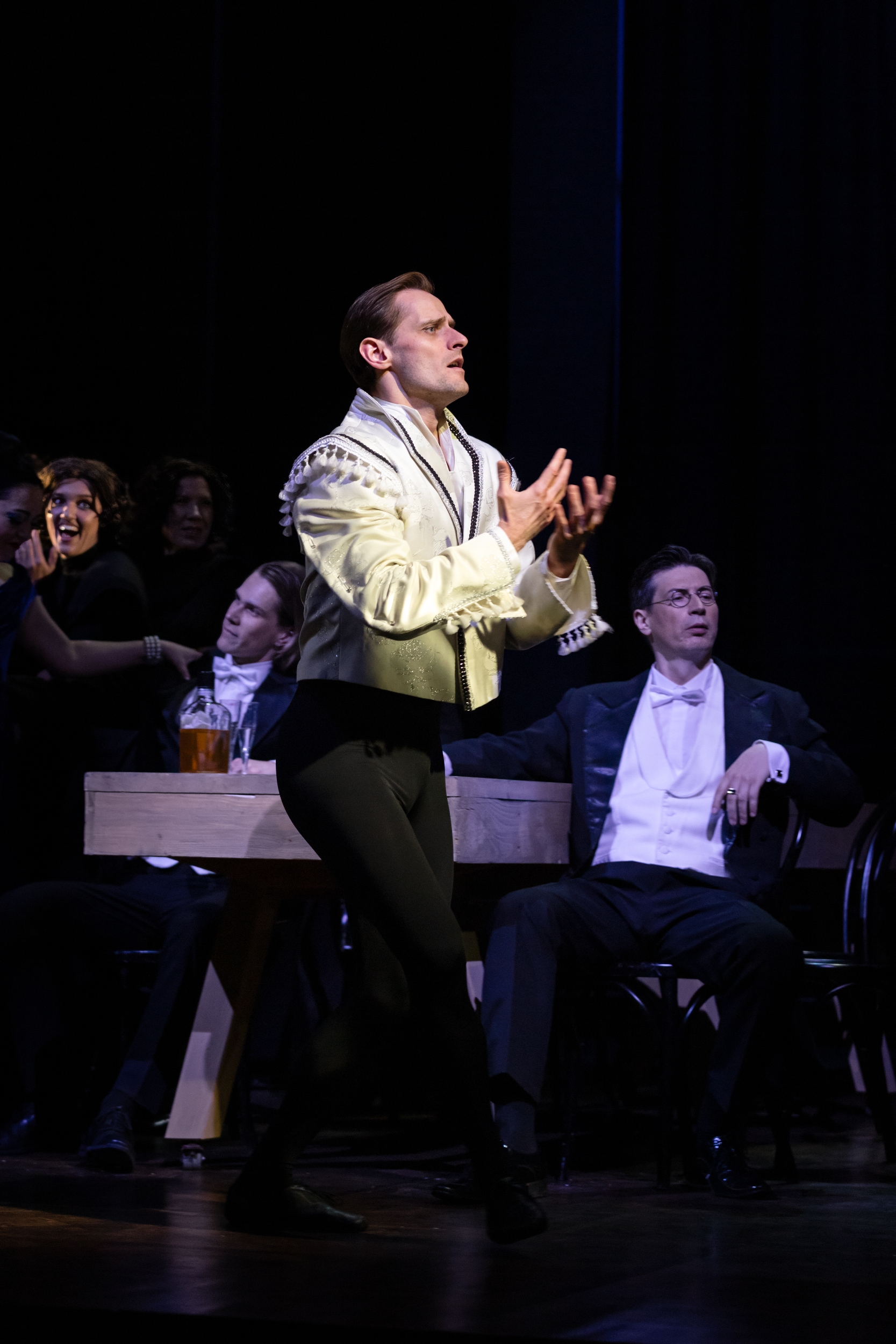
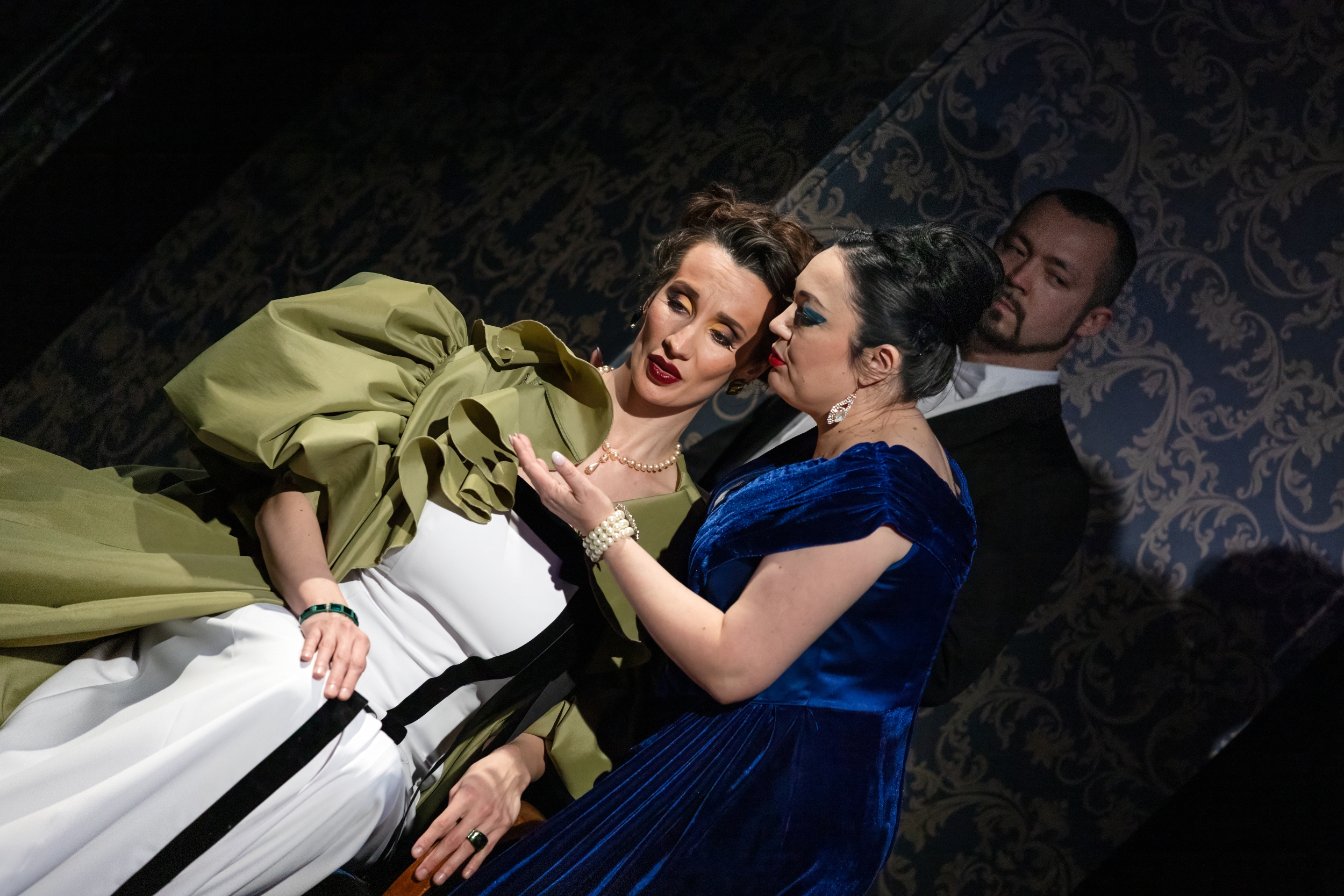
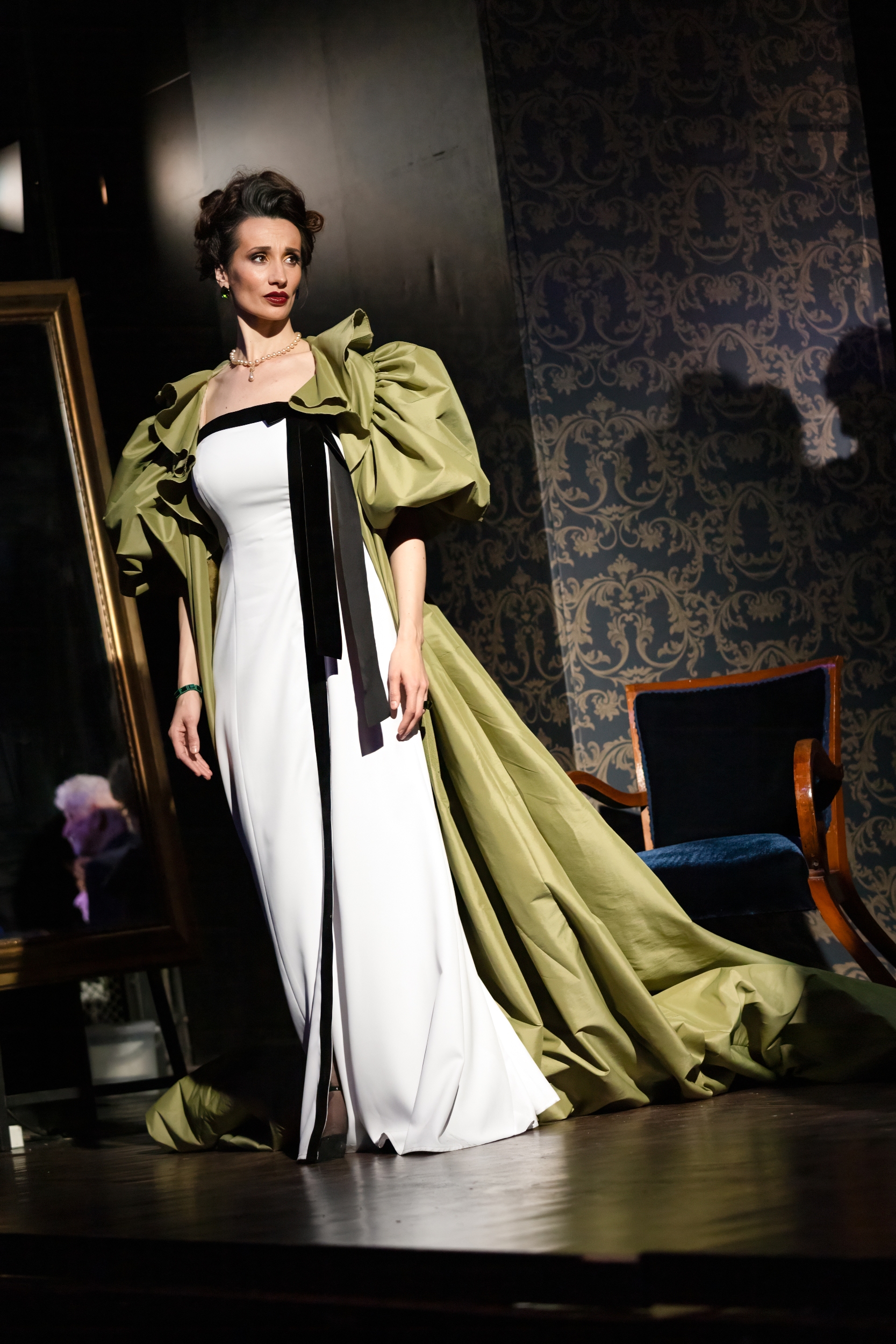
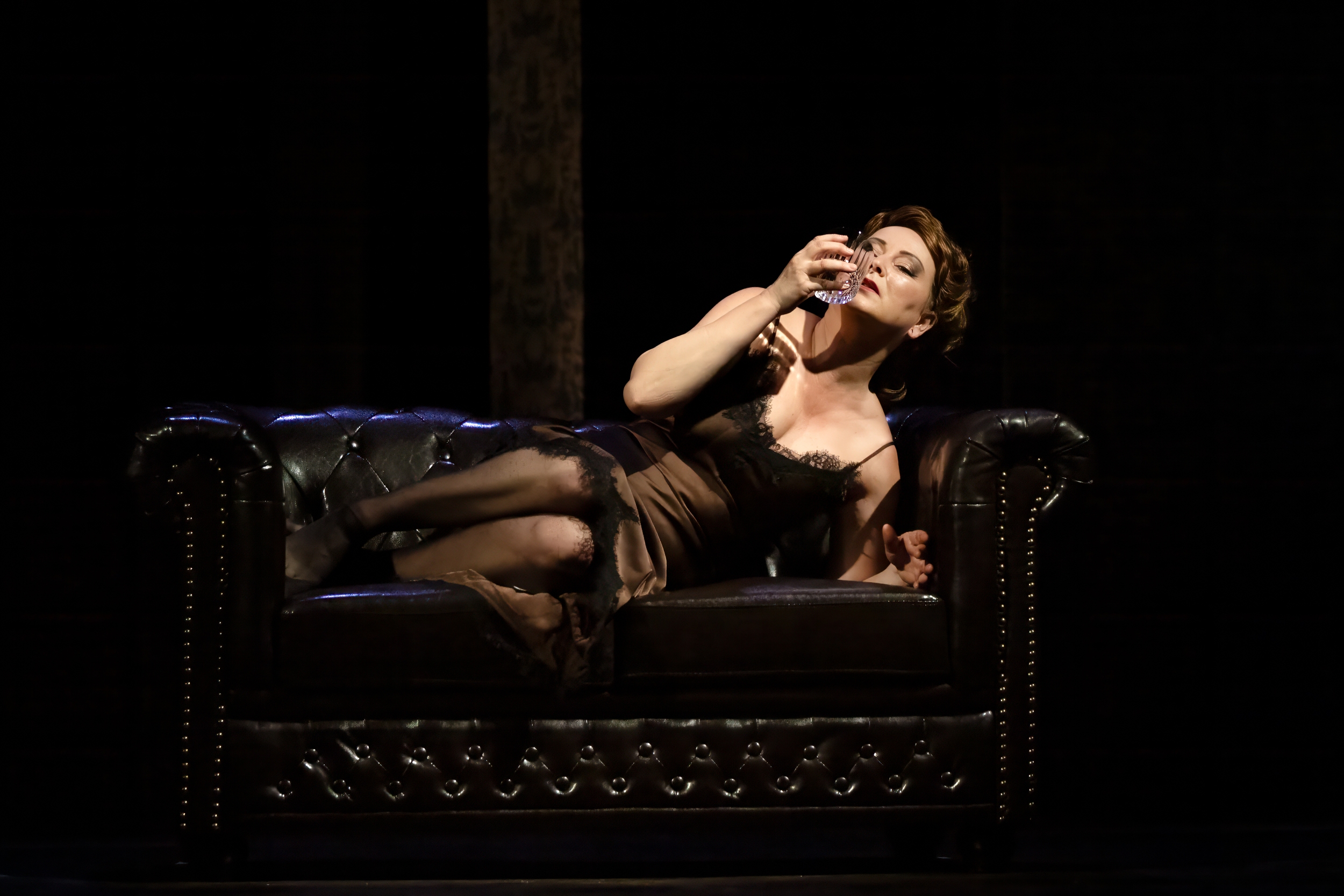
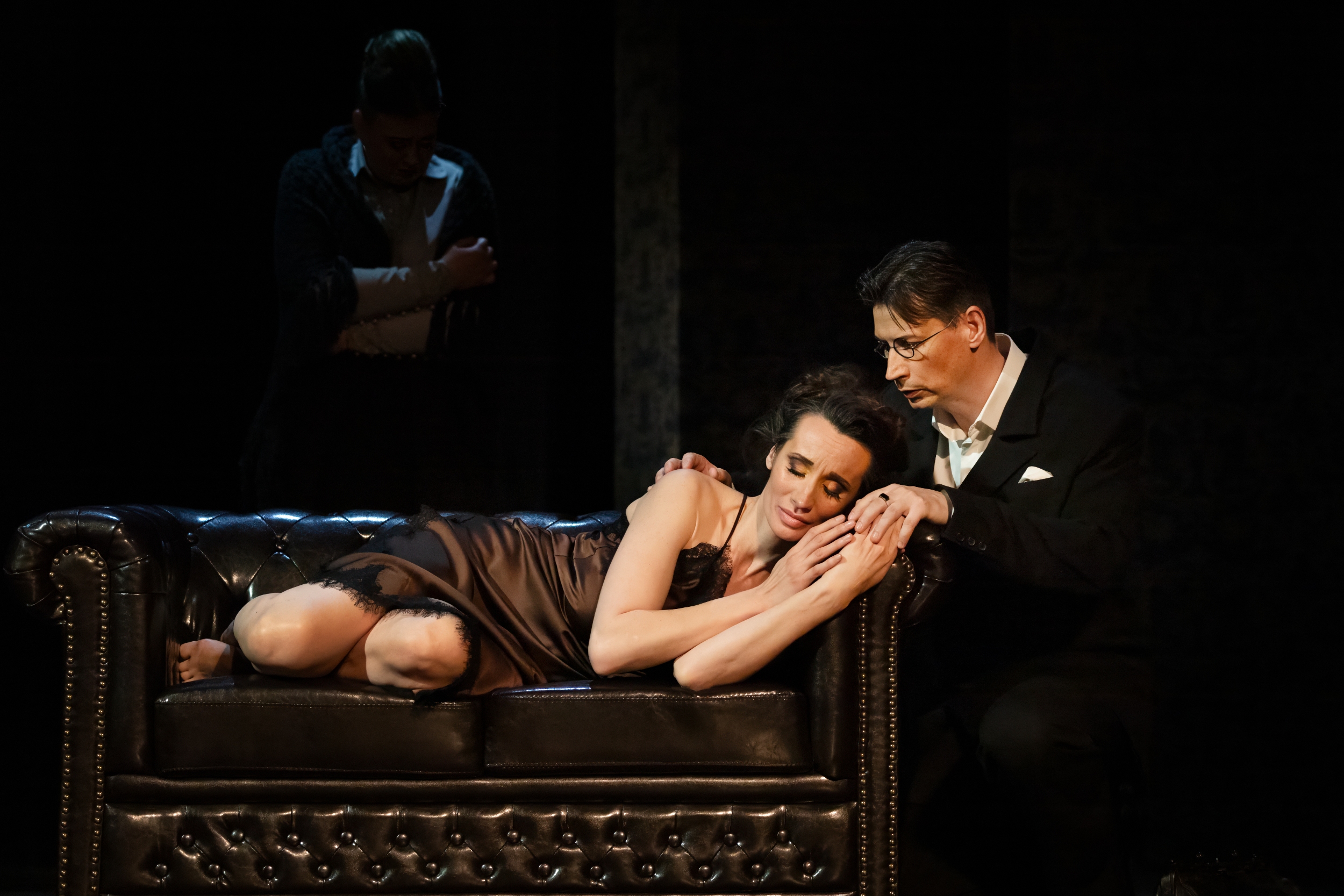
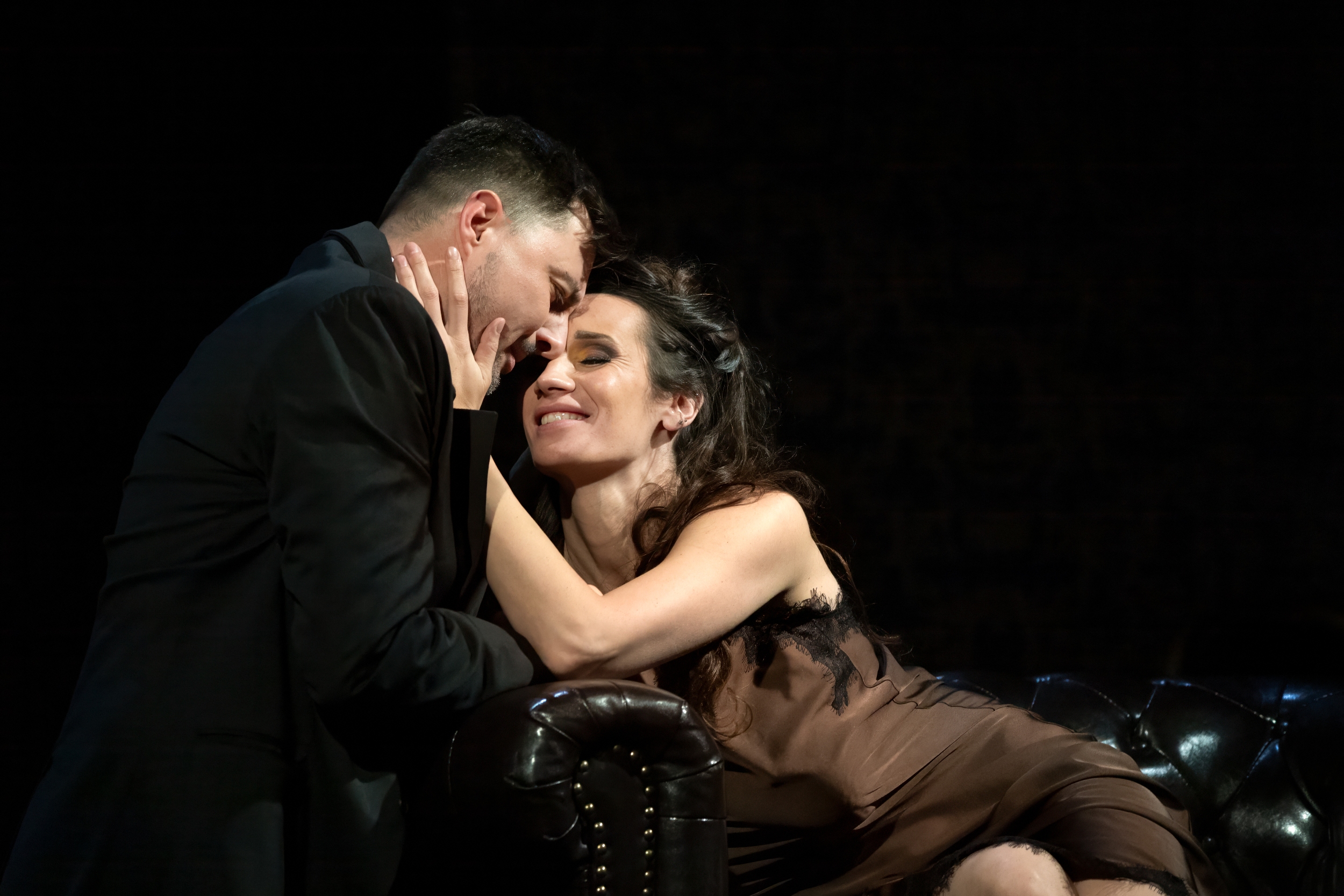
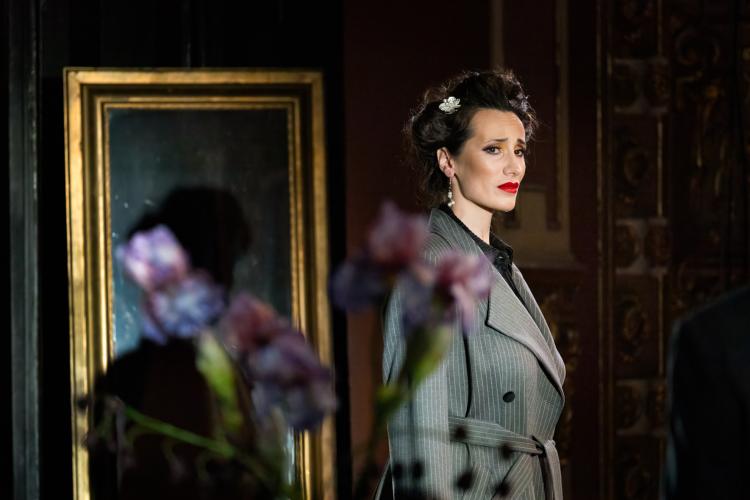
Verdi’s most frequently performed opera is a powerful critique of 19th-century Parisian high society, where the glittering world of lavish parties clashes with harsh social reality. The protagonist, Violetta Valéry, though admired as a celebrated courtesan and the centre of attention, remains a tragic outsider. Society seeks her company for entertainment and beauty, yet simultaneously regards her as a moral threat, unworthy of acceptance among “respectable” people.
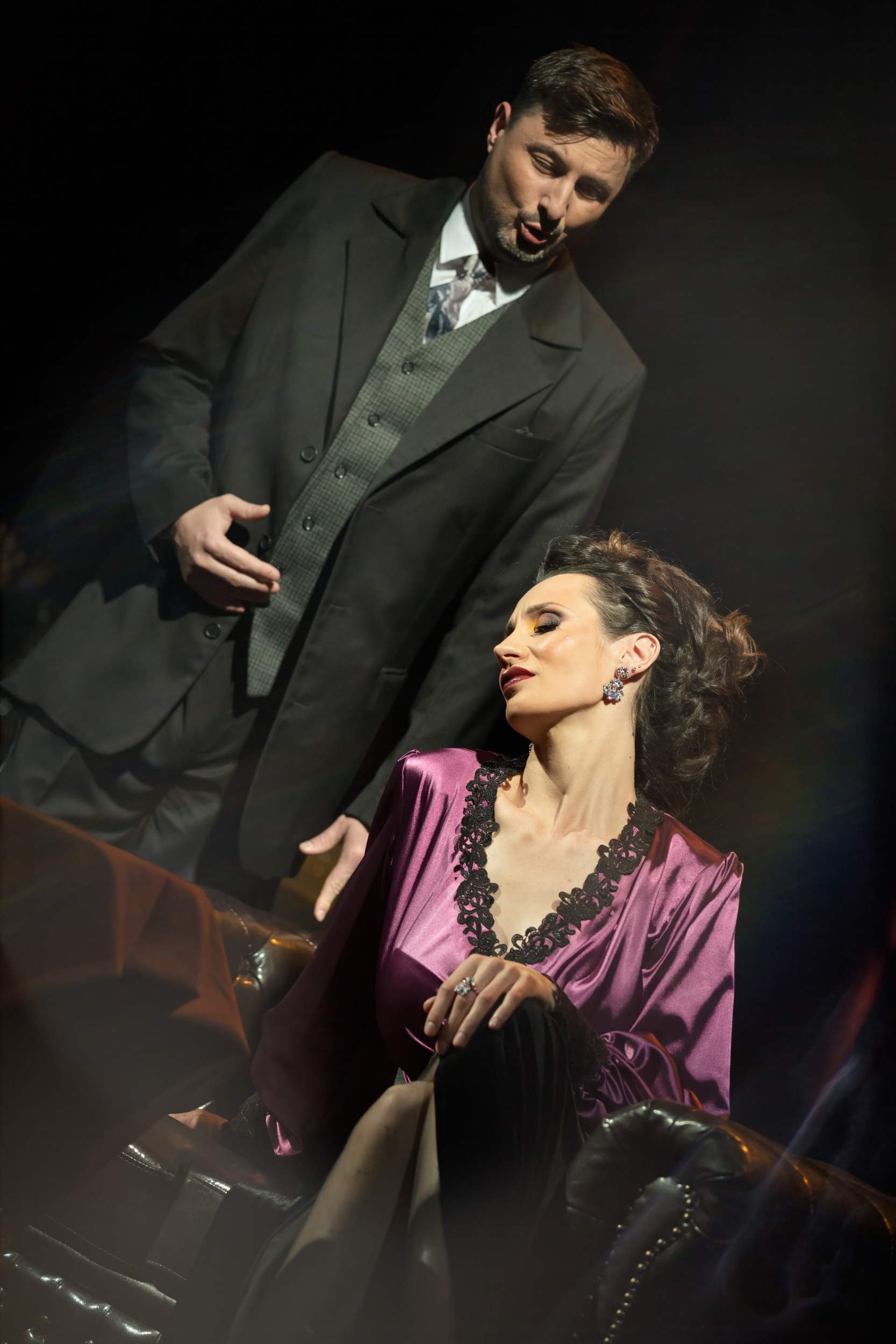
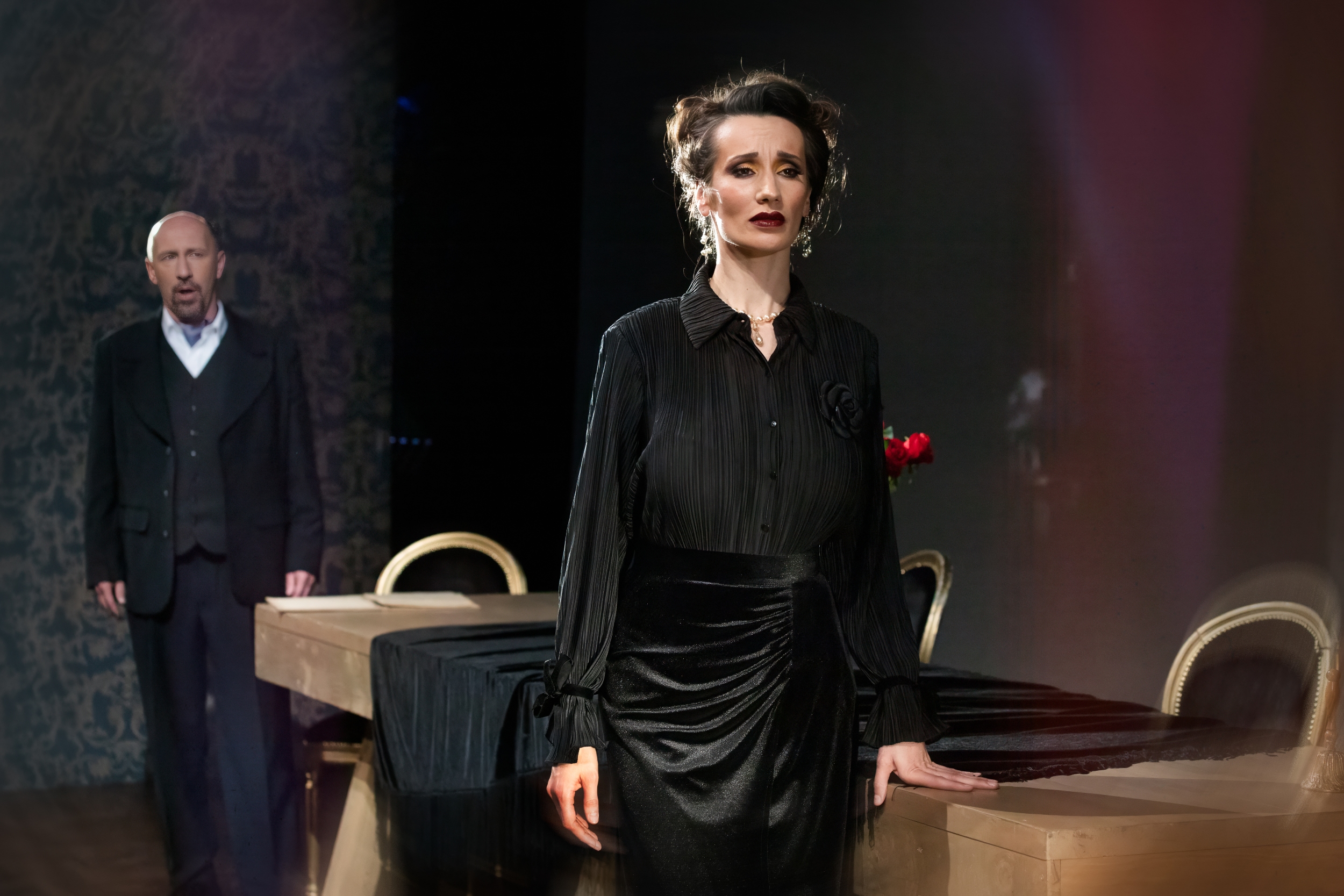
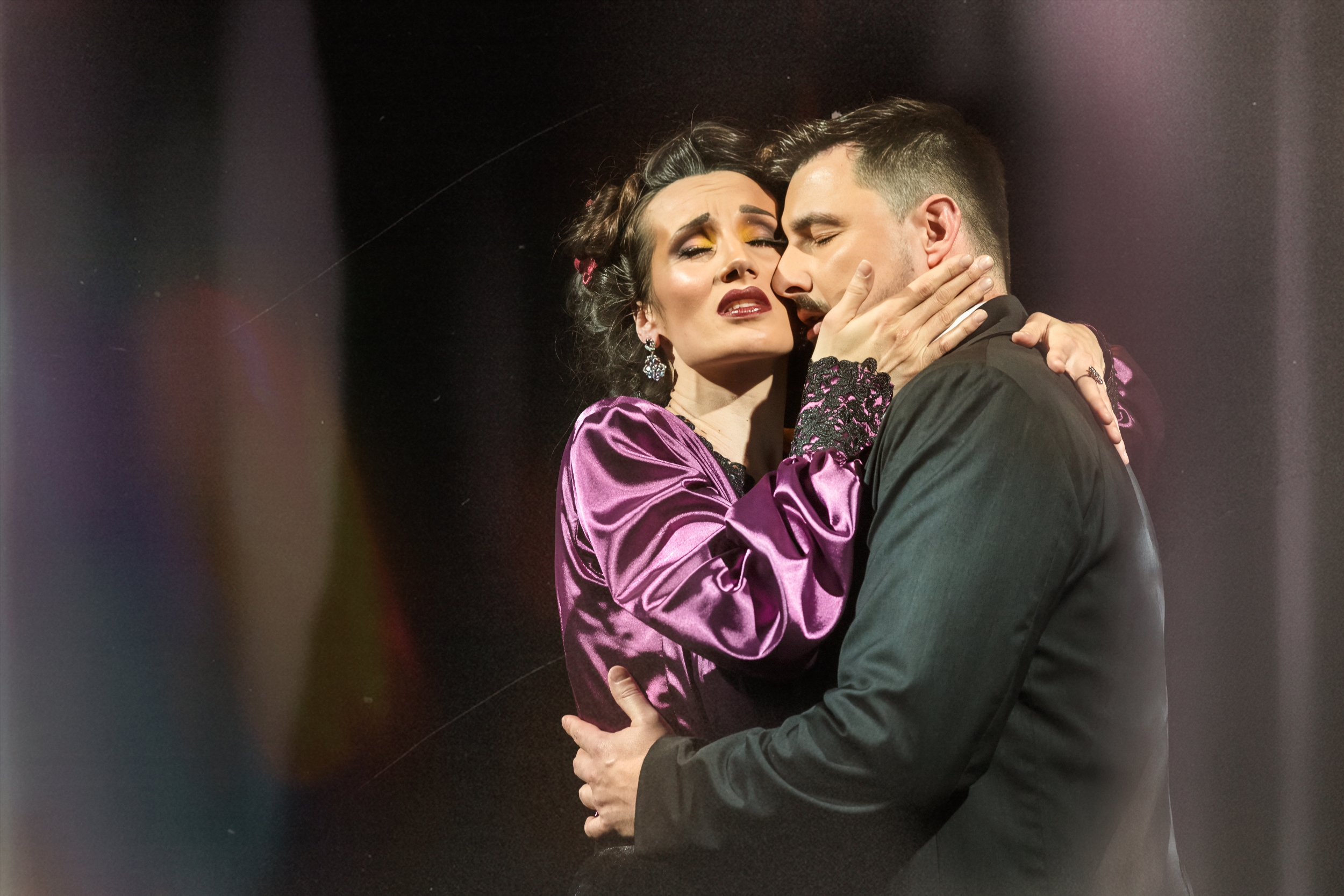
Her personal tragedy culminates in her conflict with the father of her lover Alfredo, Giorgio Germont, who embodies cold bourgeois hypocrisy. He demands that she renounce her only true love in order to preserve the family’s reputation. Although despised by society, Violetta demonstrates greater nobility and capacity for sacrifice than those who judge her. Her death in isolation and illness is the result not only of tuberculosis, but also of emotional destruction by a world that values outward propriety above human feeling.
Verdi sought precisely such a provocative story when he encountered Alexandre Dumas fils’s novel La Dame aux Camélias. In spring 1852, he attended the play The Lady of the Camellias, adapted by the author himself, at the Théâtre du Vaudeville in Paris. The impression it made on him strengthened his decision to use this story for his next opera; it provided him with the opportunity to articulate his great theme: love defeated by a hypocritical society.
| Libretto: | Francesco Maria Piave |
| Musical preparation: | Peter Valentovič |
| Director: | Anton Korenči |
| Set Design: | Juraj Fábry |
| Costumes: | Umelecké dielne NDKE |
| Conductors: | Peter Valentovič, Igor Dohovič |
| Assistant Conductor: | Marek Madeja |
| Chorus Masters: | Peter Valentovič, Iryna Denianyshyna |
| Movement collaboration: | Mónica Gómez, Tomasz Siedlecki |
| Assistant Director: | Tomáš Hodermarský |
| Concertmaster: | Peter Michalík |
| Rehearsal Pianists: | Júlia Grejtáková, Marek Madeja, Maroš Kováč |
| Stage Managers: | Klaudia Kovalčíková, Magdaléna Kovalčíková, Viera Hronská |
| Prompter: | Klaudia Kovalčíková, Magdaléna Kovalčíková |
| Violetta: | Michaela Várady, Soňa Godarská, Eva Katráková-Bodorová |
| Alfredo: | Maksym Kutsenko, Juraj Hollý, Peter Berger |
| Germont: | Marek Gurbaľ, Marián Lukáč |
| Flora: | Myroslava Havryliuk, Viera Kállayová |
| Gaston: | Maksym Kutsenko, Anton Baculík |
| Baron: | Marek Gurbaľ, Marián Lukáč, László Havasi |
| Marquis: | Mihály Podkopájev, Oliver Olejár,László Havasi |
| Doctor: | Michal Onufer, Mihály Podkopájev |
| Annina: | Ľubica Strapáčová, Alžbeta Škripková |
| Giuseppe (Violetta’s servant): | Pavol Spišský, Filip Kostrub |
| Flora’s Servant: | Oliver Olejár, Marek Mochnáč |
| Messenger: | Oliver Olejár, Marek Mochnáč |
| Dirigent: | Peter Valentovič |
| Violetta: | Michaela Várady |
| Alfredo: | Dušan Šimo |
| Germont: | Marek Gurbaľ |
| Flora: | Silvia Ondočko |
| Gaston: | Anton Baculík |
| Barón: | László Havasi |
| Markíz: | Oliver Olejár |
| Doktor: | Mihály Podkopájev |
| Annina: | Alžbeta Škripková |
| Giuseppe (sluha u Violetty): | Filip Kostrub |
| Sluha u Flóry: | Marek Mochnáč |
| Poslíček: | Oliver Olejár |
| Tanečný pár: | Mónica Gómez, Tomasz Siedlecki |
Press news
NAPÍSALI O PREDSTAVENÍ
- 5.6.2026 - tyzden.sk - La Traviata, nízkorozpočtová, strhujúca a naplno (recenzia)
- 30.5.2026 - hudobnyzivot.sk - Uvarené z vody, instantnej prísady a najmä s nadšením (recenzia)
- 27.52026 - operaslovakia.sk - Návrat La traviaty na javisko Národného divadla Košice (recenzia)
- 22.5.2026 - ssn.sk - Premiéra Opery Národného divadla Košice La traviata
- 21.5.2026 - mojakultura.sk - Láska. Vášeň. Lesk spoločnosti… a ticho prichádzajúceho konca