- Hlavná 58, 042 77 Košice
- (+421) 55 245 22 00
COLOSSEUM TICKET
PREDAJ VSTUPENIEK
infolinka: (+421) 55 245 22 69
infolinka: (+421) 55 245 22 69
POKLADŇA
PO - PIA: 9:00 - 12:30 / 13:00 - 17:30
večerná pokladňa: hodinu pred predstavením

A cult comedy set in the theatre world, where the backstage plays one of the leading roles. Intelligent British humour laced with subtle irony. Michael Frayn places the story within a theatre company that is preparing a new comedy.
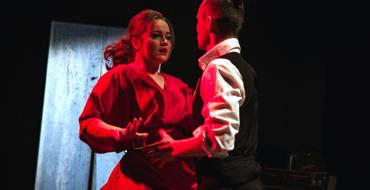
The Woman finds herself after death in a space we call purgatory and is forced to play a game with the Angel. He acts as the judge of the game and listens closely to the story of her life. The rules seem simple — if she reaches one hundred points, the path to heaven will be open to her.

Székely’s tragicomedy Mine Flower reveals the true reality of life in a village, where people are as tough and strict as the mine itself, yet hide great human wealth within. The author has a deep understanding of the soul of those living on the rural periphery, a world where not only the rumble of mining machines has stopped, but time itself have frozen.

A fairy tale about great friendship, a long nose, and enormous happiness is part of Jan Werich’s collection of humorous fairy tales, Fimfárum. This story about the power of friendship and the courage to stand up for good and justice will resonate with also young and older audiences — a perfect experience for the whole family.

Carr’s adaptation emphasizes the emotional and psychological dimensions of the relationship between a man and a woman, while also exploring broader themes of power, sacrifice, and the brutal consequences of war. Although it is a stylized retelling, the play’s focus on human drama keeps it accessible to a contemporary audience.

The play was written for the National Theatre in London by Beth Steel and was immediately nominated for Best Play of the Year 2024 following its premiere. As stated on the theatre's website: “A passionate, heartbreaking, and funny portrayal of a larger-than-life family struggling to come to terms with a changing world.”